Product Description
48V 60ah Golf Cart Sodium ion Battery Common customization:
Longer cycle life - Up to 15 times longer cycle life and 5 times longer float/calendar life than lead-acid batteries.
More capacity - Provides up to 100% of usable energy.
Lightweight - 60% lighter than lead-acid batteries.
Highdischargerate - Ability to fully discharge the battery at a high rate of discharge.
Fast charging - Charges much faster than conventional sealed lead-acid batteries.
Long cycle life - More than 2000 cycles at 100% depth of discharge.
Intelligent BMS - The battery management system monitors and adapts to battery conditions to maximize performance and safety.
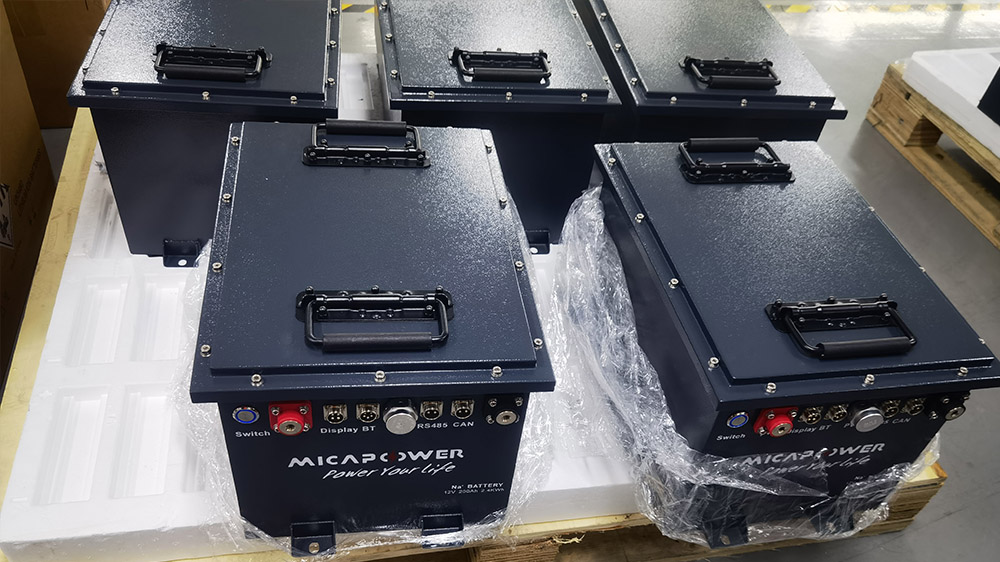
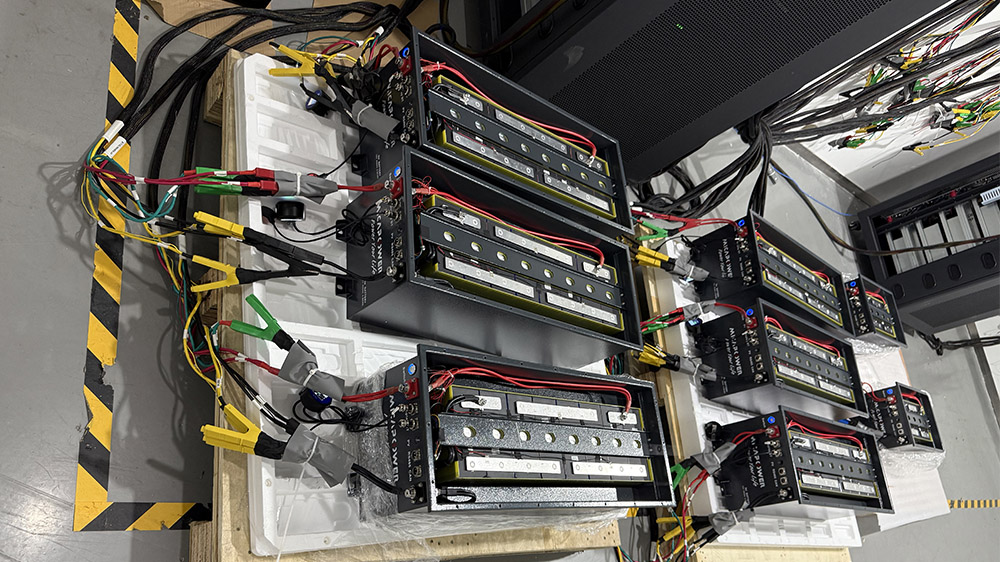
Specification
| Items | Parameter |
| Battery model | MC-SIB4860 |
| Nominal voltage | 48V |
| Minimum capacity | 60Ah@25ºC,C10 |
| Charging voltage | 56V |
| Discharging cut-off voltage | 32V |
| Standard charging | 0.2C /56V |
| Max charging | 1.0C /56V |
| Standard discharging | 1C/32V |
| Max discharging | continuous discharge | 1.0C/32V |
| non-continuous discharge | 2.0C/32V |
| Operation voltage | 32~56V |
| Operating temperature | Charging: 0°C ~ 45°C |
| Discharging: -30°C ~60°C |
| Storage (At 50% SOC and specified temp,
recoverable capacity in % vs time ) | -10ºC~25ºC | (12 months ≥85% ) |
| -10ºC ~45ºC | (6 months ≥85% ) |
| -10ºC~55ºC | (1 month ≥90% ) |
| 20±5ºC is the recommended storage temperature |
| Visual Inspection | There should not be any remarkable scratches, cracks,
bolts, cauterization, deformations, swelling, leakage
and so on the surface of the cell. |
| Self-discharge Rate | <2% per month |
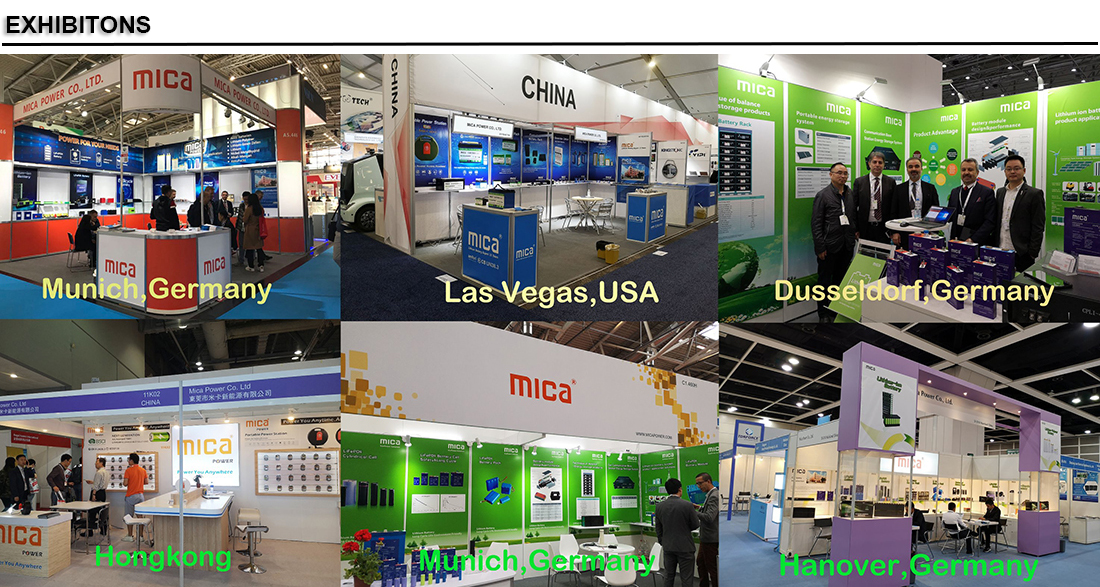
Exhibition
Why choose us
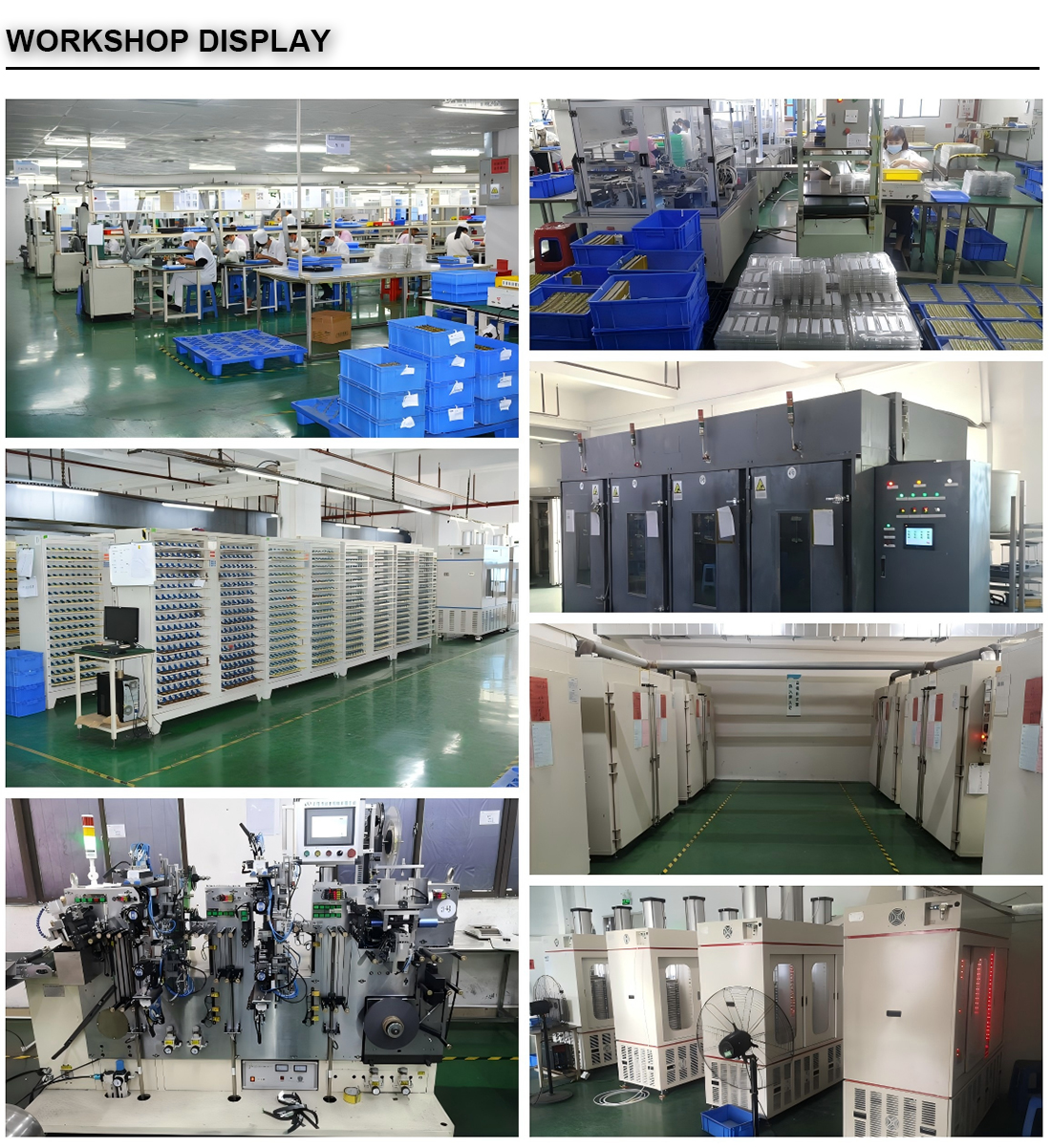
More than 15 Years' Experience in Battery
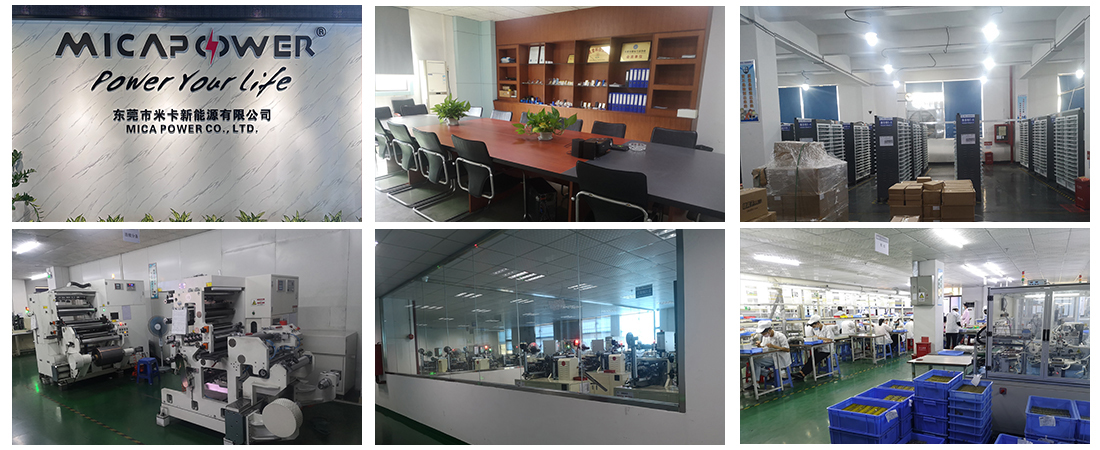
Mica Power Co. Ltd was established in 2009. Our management team has more than 15 years' experience in rechargeable battery. Our factory covers an area of 15,000 square meters and has more than 500 employees. Benefit From Our Advantages
Backed by professional supporting team, we have expertise in R&D, OEM production and marketing. With the support of a professional and dedicated engineering and operation team, we are available to bringing customers' idea into reality. Flexible to customized request, such as sound adjusted, color, package, and accessories adjusted, so you can enjoy our quick one-stop OEM service.
Meeting Quality Standards
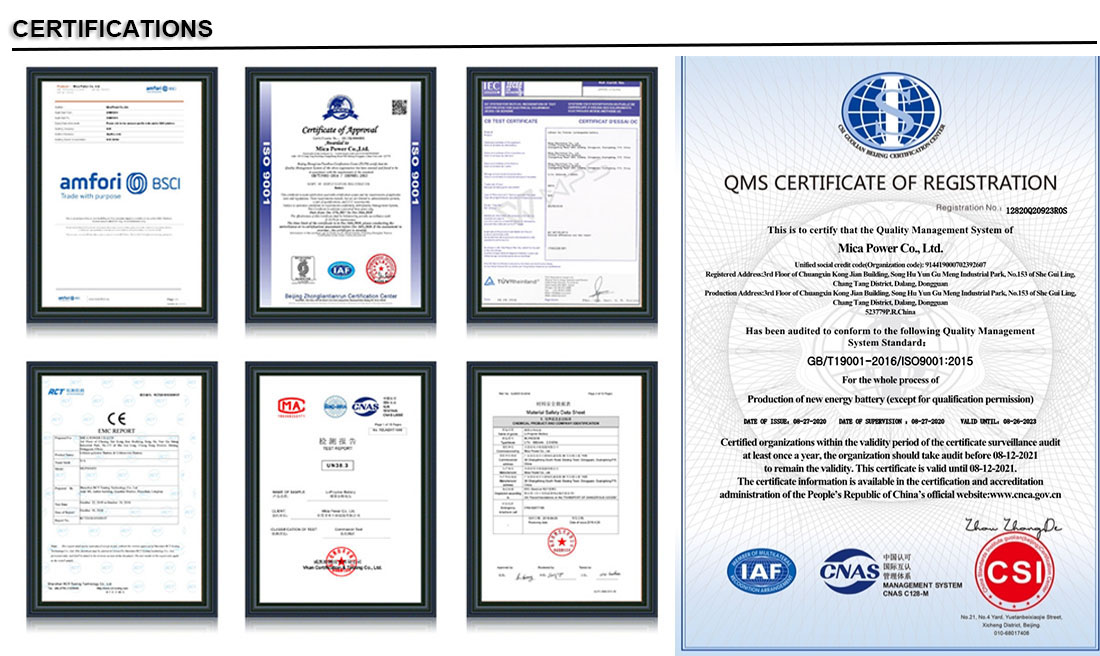
Our company has passed ISO 9001:2015 quality and BSCI system approval and our products have got the ROHS, CE, UL, IEC, UN38.3 certifications. The battery products have the advantages of high energy density, high power density, small volume, light weight,long service life, low self-discharge, flexible and varied shapes, safety performance and so on.
FAQ
Q1: Do you accept sample order?
A: Yes, we welcome sample to test the quality, customized is available.
Q2: What will be the delivery time after I place the order?
A: For mass order will take 15-30 days, it depends on the order quantity. For sample will take around 1 week.
Q3: Who will deliver our goods?
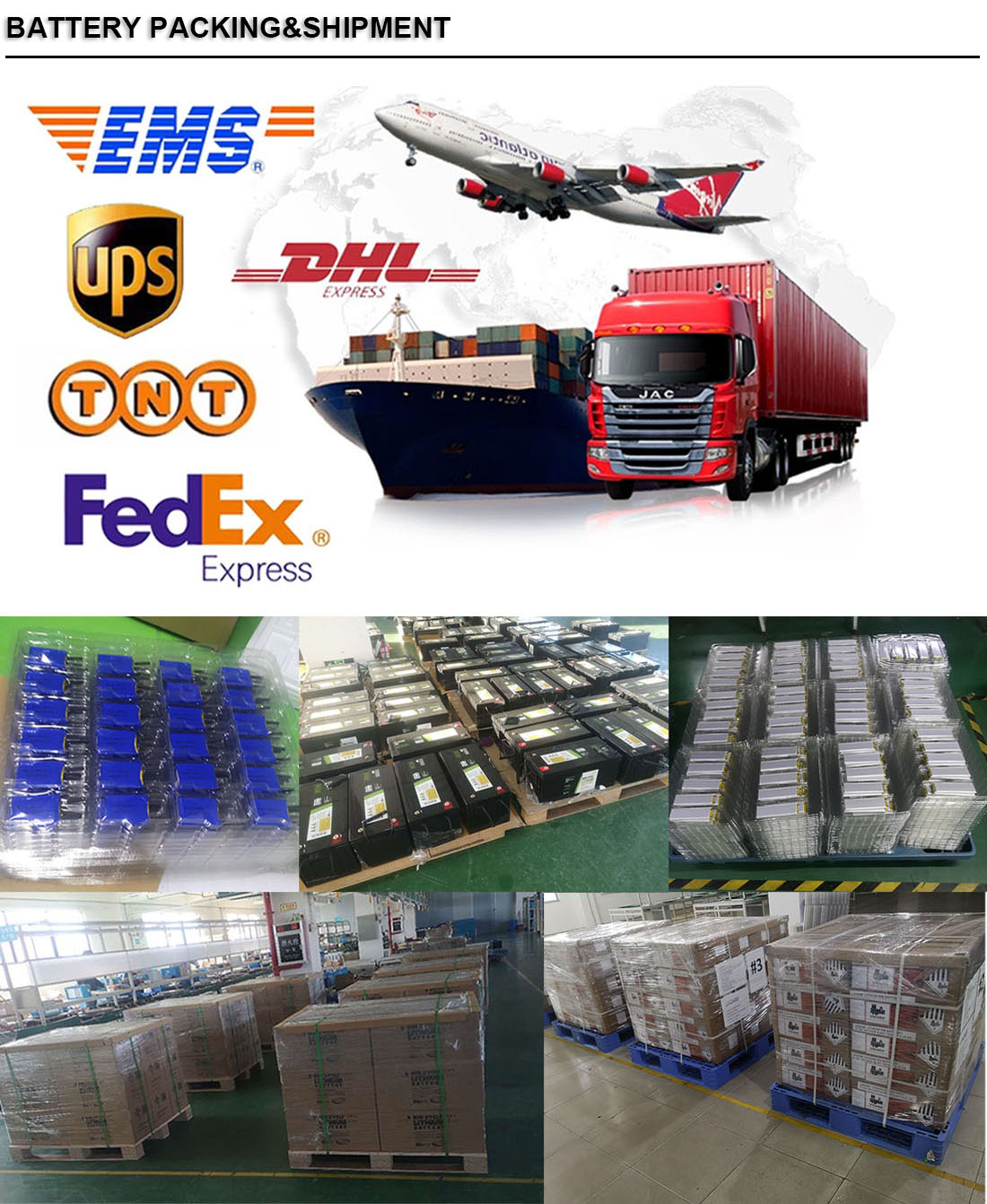
A: The products delivered by express, airline and sea shipping is avaiable, you can choose the most suitable delivery way. Also if you have your own forwarder just pass it to us, we will follow it up.
Q4: Can I print my company logo on the products?
A: Yes. We can provide OEM service.
Q5: : What will be the payment terms?
A: We accept T/T, Paypal, Money Gram etc.
Q6: What is your Warranty Policy?
A: We offer 5 years warranty for our products and can be replaced with new ones for free if quality Issues. Using Lithium iron phosphate battery, which has high safety performance, long cycle life, with service life of more than 10 years.
Q7: How to choose a right battery?
A: Just tell us your demand, then we will recommend a suitable battery to you.


